



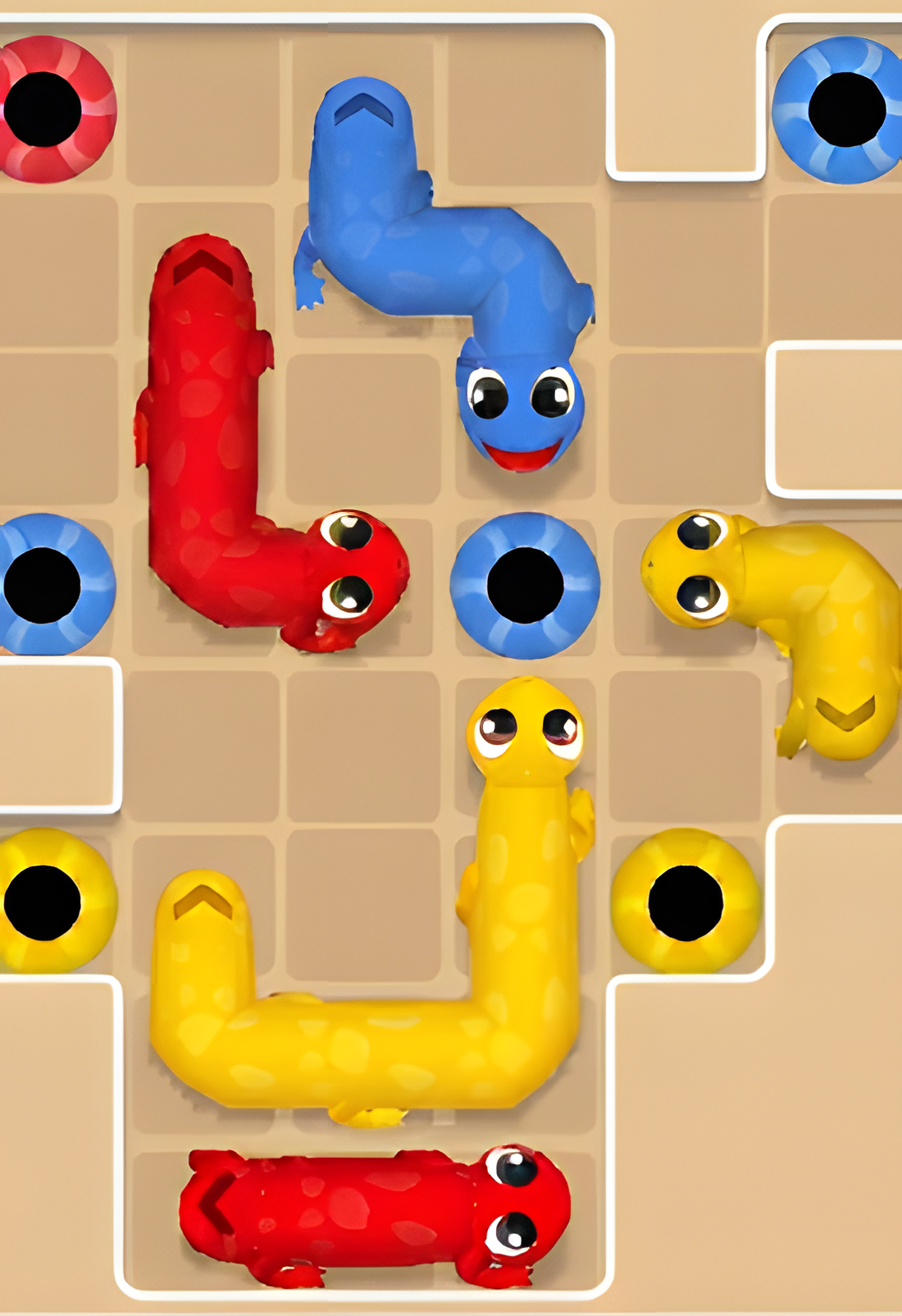
In an escape puzzle game, a clue should not be a solution hidden behind another object. It is information that encourages a player to reconsider the space, form a hypothesis, and try a grounded action. This article uses Lizard Out as a design perspective for balancing discovery, clarity, and challenge.
This is a bilingual editorial design analysis. It does not confirm unverified product features, commercial results, or development and publishing roles.
An effective clue directs a player’s attention without doing the work for them. It can suggest a relationship, highlight a detail, or make an old object meaningful again. The player still needs to connect the evidence and decide what to try next.
The practical test is whether players can read the current state, make a purposeful choice, and understand the result they receive. When that connection is clear, a game can create challenge without concealing essential information.
Readable puzzles offer a line of thought that can be followed: what does the player observe, what can they infer, and which interaction tests that idea? The chain does not need to be easy, but it needs to be fair. A useful failed attempt still reveals which hypothesis did not fit and where to look again.
The practical test is whether players can read the current state, make a purposeful choice, and understand the result they receive. When that connection is clear, a game can create challenge without concealing essential information.
When an interaction does not open the door, the game can still return useful information. Feedback may indicate the wrong object, an incorrect order, or a missing condition. This turns trial and error into learning rather than a loop of random taps.
The practical test is whether players can read the current state, make a purposeful choice, and understand the result they receive. When that connection is clear, a game can create challenge without concealing essential information.
An escape environment needs enough detail to explore without presenting every signal at once. Hierarchy in lighting, interaction, and visual focus helps players decide where to begin. Good pacing alternates observation, resolution, and confirmation so the feeling of escape can build.
The practical test is whether players can read the current state, make a purposeful choice, and understand the result they receive. When that connection is clear, a game can create challenge without concealing essential information.
They should lead to a testable hypothesis, and feedback after a choice should reveal more about the puzzle state.
Yes, when each attempt gives information that helps them adjust their observation or action order.
No. It is a design perspective on escape puzzles, not a walkthrough or a confirmation of product features.
An escape puzzle feels convincing when players believe they are discovering a rule instead of guessing a hidden answer. Clues, feedback, and spatial pacing should work together to protect the satisfaction of connecting the solution independently.
Suggested meta description: A Lizard Out perspective on escape puzzle clue design: clear, fair information that keeps discovery, reasoning, and player confidence intact.
Related Post