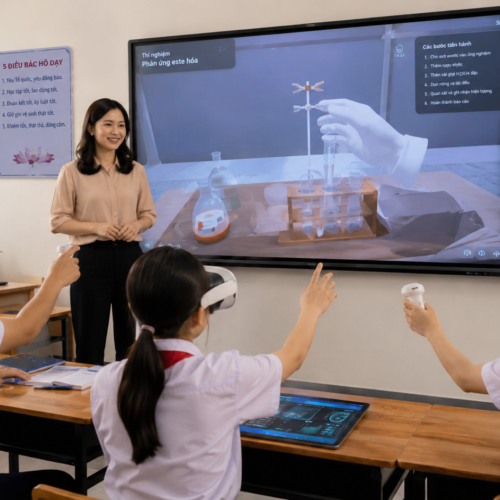



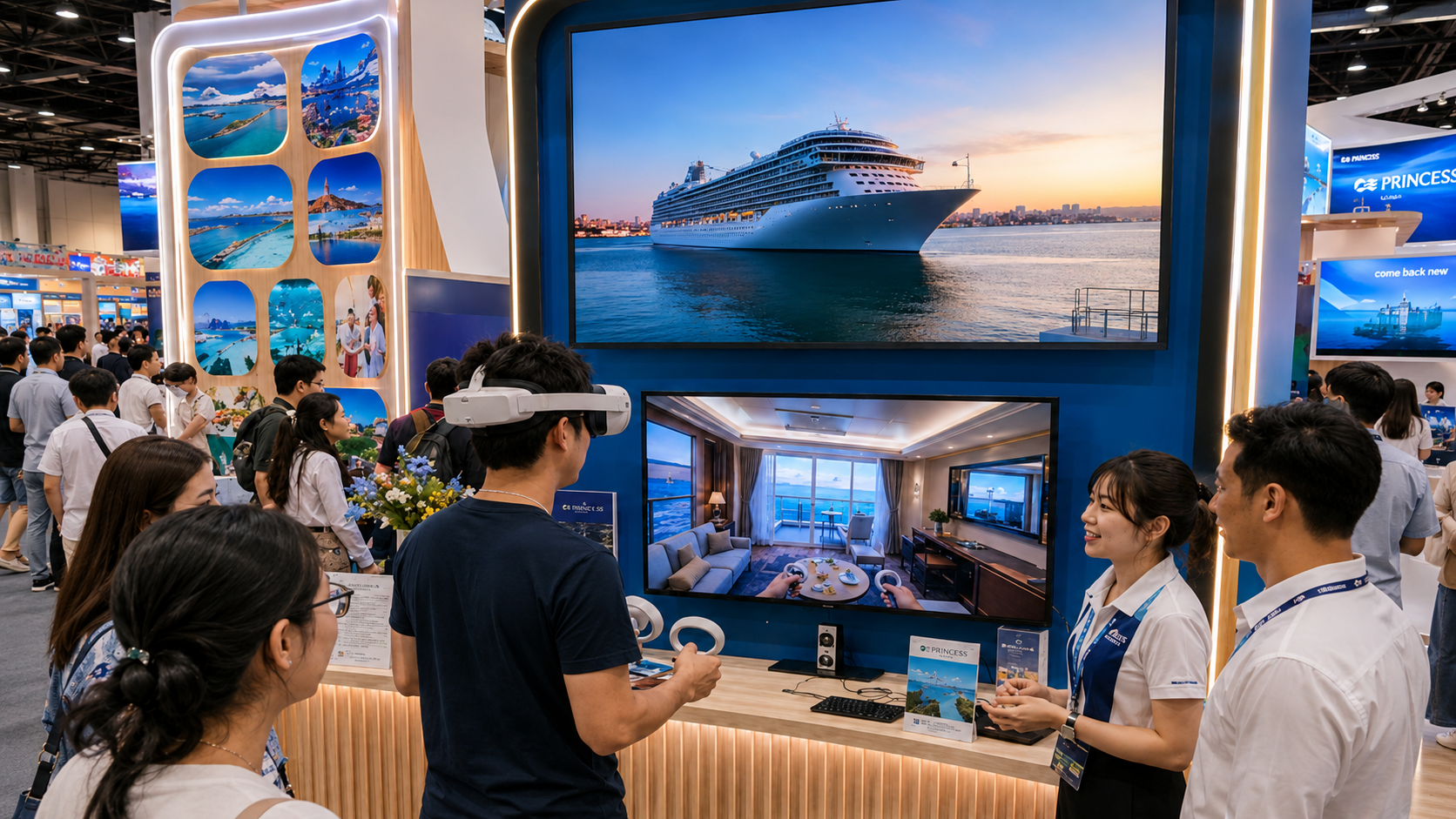
VR and interactive 3D have value in marketing when the product, space, or process is difficult to understand through images and video alone. A virtual showroom, product tour, or AI-guided experience can let customers observe, compare, and prepare better questions before they speak with sales.
Technology does not create demand by itself. It does not guarantee revenue, replace sales consultation, or remove the need for clear product information. Its best role is to clarify the right information at the right point in the customer journey.
Content classification: Reference application direction for brand and sales experiences. This article does not describe a public SAVA META case study.
VR solves the “hard to imagine” gap better than it solves every marketing problem. A catalog, render, or video presents information in a fixed order. When customers need to change viewpoint, walk through a space, compare configurations, or understand scale, an interactive experience can give them more control.
This is especially relevant for real estate, interiors, large equipment, tourism, exhibitions, showrooms, industrial processes, and products that are difficult to transport or demonstrate in person. The digital layer gives customers a first-hand orientation before they move to a deeper conversation.
AI guidance can help when customers need context, not just visuals. An AI guide may explain a feature, suggest a route, summarize options, or prepare a question list for the sales team. It becomes useful when it is grounded in approved product content and knows when to hand off.
AI should not independently promise price, availability, technical compatibility, legal terms, or business results. Those points need approved sources and human confirmation. The safe role for AI is to help customers understand what they are seeing and move toward the right next step.
A marketing or sales-oriented Interactive Digital Space may include several layers:
The experience should make the next action clearer. If it only entertains, it may generate attention but not decision quality.
Success should be measured by behavior that matters to the journey, not by novelty metrics alone. Useful signals may include completion of a guided route, product comparison actions, questions asked, consultation requests, sales brief quality, repeated visits, or fewer basic clarification steps before a meeting.
Time spent can be useful, but it needs interpretation. A long session may mean interest, confusion, or friction. The team should combine behavioral data with sales feedback and user comments before drawing conclusions.
The project should begin with one customer journey friction. Is the customer unable to picture the product? Are they asking the same basic questions? Do they need to compare options? Are they remote and unable to visit a showroom? Is the sales team spending too much time explaining context before getting to the real decision?
Once the friction is clear, the team can choose the format: web-based 3D, VR, Virtual Tour, AI-guided product assistant, or a simpler interactive page. The format should match the decision point.
SAVA META would frame the experience around the customer’s next decision. The first scope should be narrow enough to test: one product line, one showroom path, one recurring sales question, or one handoff from self-guided exploration to consultation.
From there, the experience can grow into a larger brand space or sales support system. But the operating logic stays the same: problem first, content source second, technology third, and measurement tied to real customer behavior.
No. VR can support understanding and engagement, but sales outcomes depend on offer, market, product fit, follow-up, pricing, and many other conditions.
No. AI can support discovery, explanation, and preparation. Sales teams still handle judgment, negotiation, commercial terms, and sensitive customer situations.
Start with one customer friction that appears repeatedly. A focused pilot is easier to measure than a large showroom with no clear decision path.
Related Post